AI-Powered Consumer Apps
As AI-powered experiences became more accessible, many consumer-facing implementations felt confusing, gimmicky, or slow. Users didn’t know what would happen, how long it would take, or whether the result would be worth it.
Across multiple brand activations, the challenge was the same:
How do you design an AI-driven experience that feels intentional, fast, and trustworthy to everyday users?
Snapshot
Role: Lead Product Designer
Platform: Mobile web, camera-based apps
Context: Consumer experiences across marketing events and retail
Focus: Input → transformation → Payoff
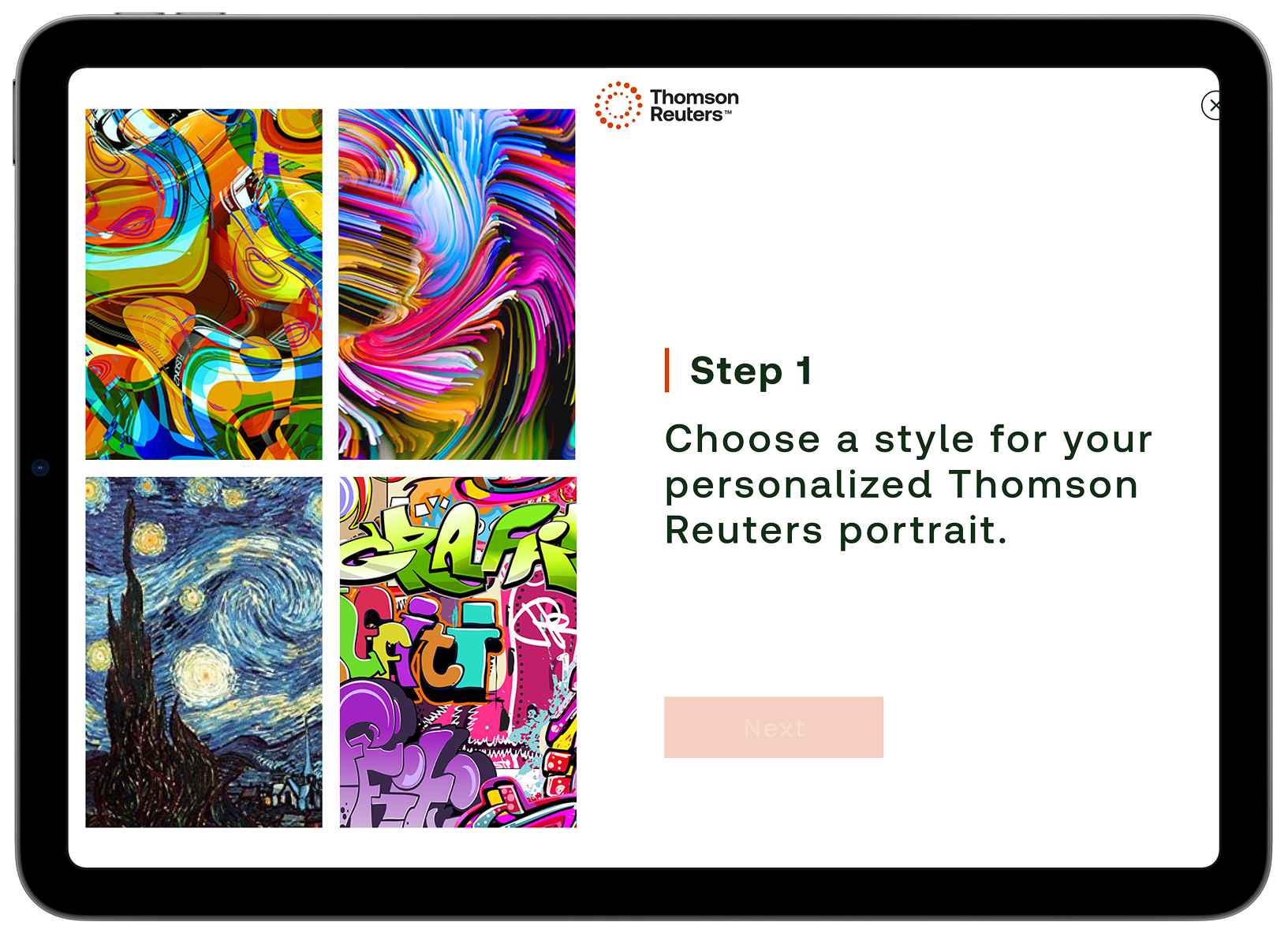
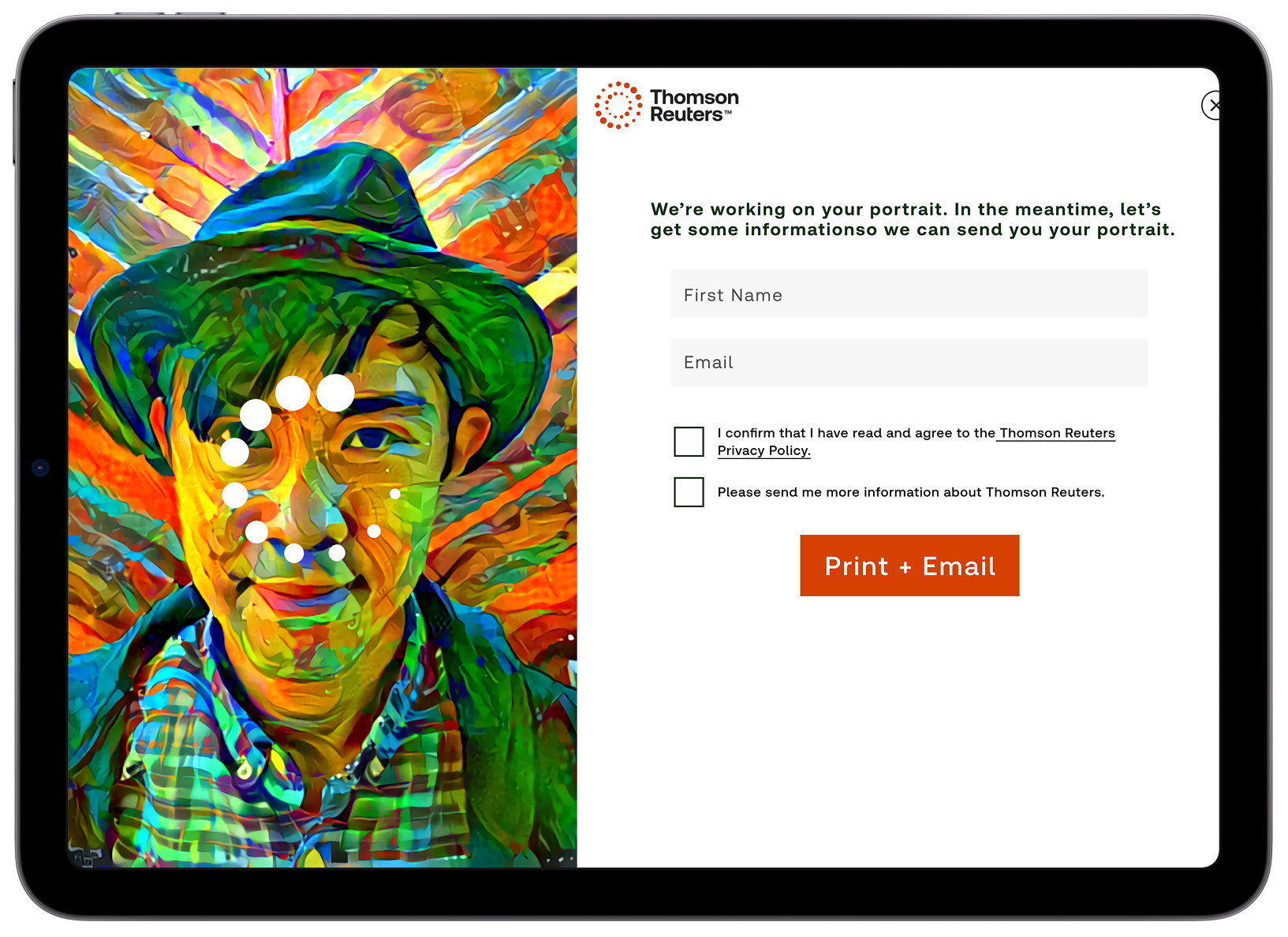
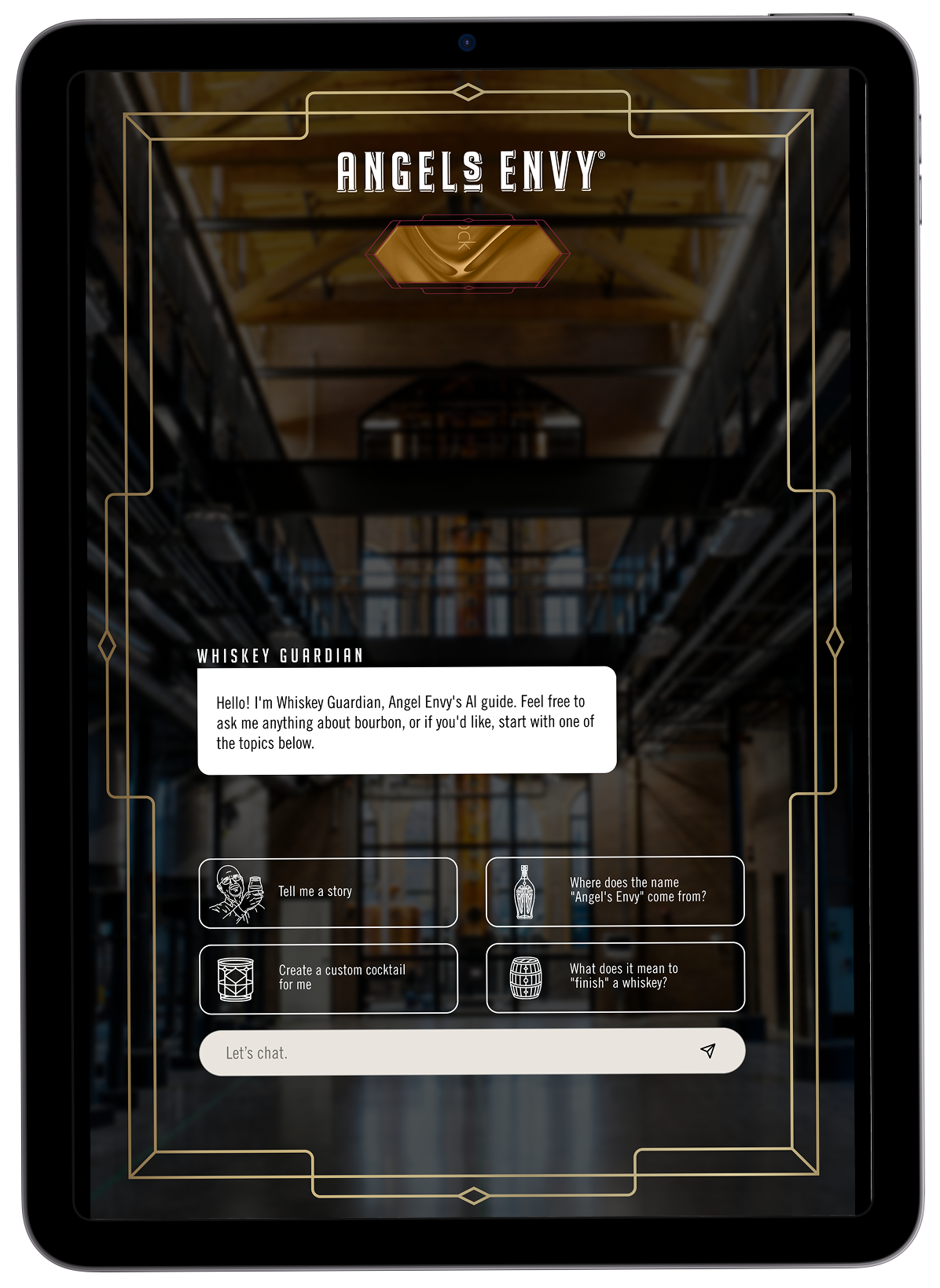
What I did
Designing mobile-first interaction flows
Clarifying user expectations around AI outputs
Reducing cognitive load in moments of novelty
Balancing surprise with control
Key UX Challenges
Setting expectations without overexplaining
Designing for unknown outcomes
Speed and performance perception
Key Decisions
Short paths: Kept interactions to a few clear steps
Familiar patterns: Camera, cards, prompts, and reveal moments
Tone calibration: Adjusted language to match brand voice without overwhelming the user
Clear end states: Users always knew when the experience was “done” and what they could do next
Rather than building one-off moments, I focused on repeatable interaction patterns that could adapt across brands and audiences.